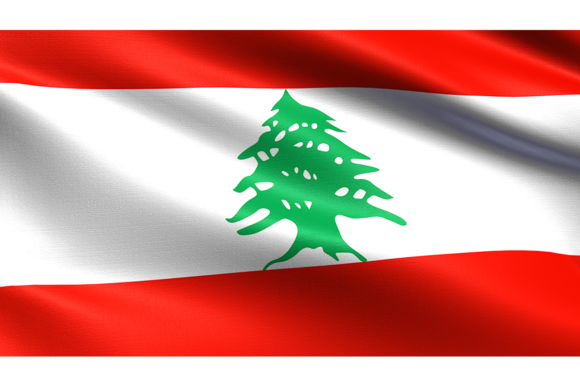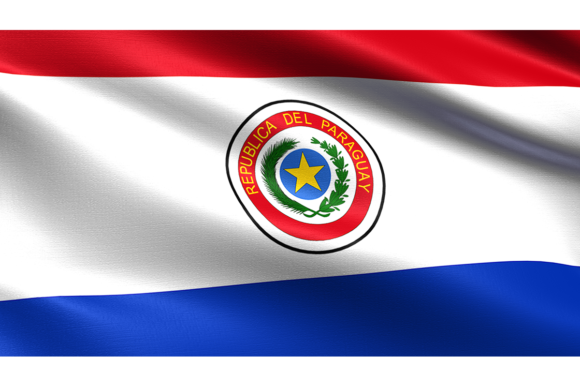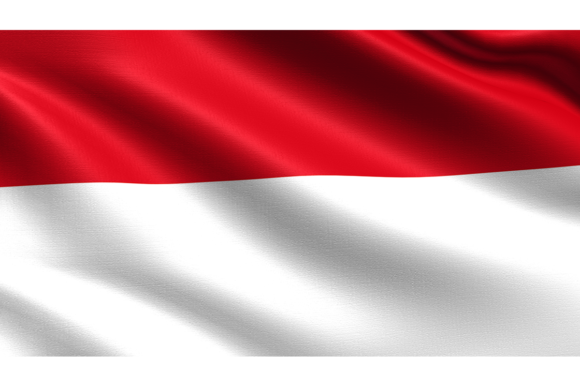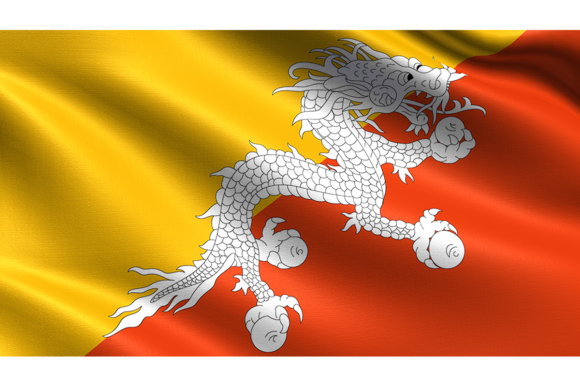
African Flag with Waving Fabric Texture: Dynamic Display
Why Texture Changes Everything
Flat, static graphics have their place, but they often fail to capture the energy and spirit of a brand or project. When you are trying to evoke a sense of national pride, cultural heritage, or simply a dynamic atmosphere, a static image can feel sterile. This is where the African Flag with Waving Fabric Texture enters the conversation. It isn’t just a digital file; it is a high-resolution asset designed to bring movement and realism to your creative work. We are talking about a massive 3840×2160px resolution, ensuring that whether you are zooming in for a close-up crop or using it as a full-screen background, the detail remains crisp.
The appeal of this asset lies in its "lived-in" realism. Unlike vector graphics that can sometimes look computer-generated, the waving fabric texture mimics the behavior of real cloth. You can see the folds, the creases, and the way light interacts with the material. This tactile quality is essential for modern graphic design because it grounds the viewer in reality. It feels authentic. For a designer working on a presentation for an African market or a project celebrating Pan-African culture, this specific texture adds a layer of emotional depth that a flat color palette simply cannot achieve.
Integrating the Asset: From Print to Motion
One of the biggest challenges in digital design is finding assets that are versatile enough to work across different mediums without losing quality. The African Flag with Waving Fabric Texture solves this problem because of its high-resolution file format. Because it is a .jpg at 4K resolution, it is incredibly flexible.
For print design, such as event posters, brochures, or magazine covers, the high DPI ensures that the fabric texture doesn't pixelate, even on large format prints. Imagine a conference backdrop; this image provides the perfect balance of symbolism and aesthetic appeal without distracting from the text overlay. In the realm of web design, large hero images are a staple. Using this flag as a background with a dark or light overlay can create a stunning header that immediately sets the tone for a website focused on travel, culture, or international business.
Furthermore, for motion graphics and video editors, a static image with this much texture can be manipulated to simulate movement. By using subtle parallax effects or warping tools in software like After Effects, the folds in the fabric can be animated to look like the flag is gently rippling in a breeze. This turns a simple stock image into a dynamic video element. It is equally effective for social media graphics, where standing out in a busy feed is paramount. A textured, realistic flag background makes a post feel more substantial and professional than a standard flat graphic.
Strategic Branding and Visual Hierarchy
Choosing the right visual assets is a critical part of brand strategy. If your brand identity involves African markets, tourism, or cultural education, the African Flag with Waving Fabric Texture communicates stability and respect for the subject matter. It influences brand perception by showing that you value quality and authenticity. A pixelated or generic clip-art flag can make a brand look amateurish, whereas a high-fidelity, textured image suggests professionalism and attention to detail.
When it comes to visual hierarchy, texture plays a subtle but powerful role. By using the flag as a background, you create a rich canvas. However, readability is key. Because of the folds and shadows in the waving fabric, you need to be strategic with text placement. This asset works best when paired with clean, sans-serif fonts that have high contrast against the flag's colors. For example, a bold white display font with a subtle drop shadow can sit beautifully on top of the texture, ensuring the message is legible while the background adds context and emotion.
Practical Application and Design Pairings
Let’s get practical. How do you actually use this asset in your workflow?
- Presentations: Use the image as a title slide background. It instantly grabs attention and sets a thematic context before a single word is spoken.
- Logo Design: While you wouldn't use the photo *as* a logo, it serves as an excellent mockup background. Placing a vector logo over the waving fabric shows clients how their branding might look on a physical flag or textile.
- Packaging Design: For products originating from or celebrating Africa, using a textured flag element on the packaging can evoke authenticity and heritage.
When selecting fonts to pair with this image, consider the mood. Since the flag texture is organic and traditional, you might contrast it with a modern sans-serif font for a contemporary edge, or a serif font for a more classic, editorial feel. Avoid overly complex script fonts or handwritten fonts that might get lost in the folds of the fabric. The goal is to let the texture support the text, not compete with it.
Final Thoughts on Quality and Usability
In the world of creative assets, quality usually dictates usability. The 3840×2160px resolution of this African Flag with Waving Fabric Texture makes it a premium tool for serious creators. Whether you are a content creator making a YouTube thumbnail, a marketer designing an email campaign, or a small business owner creating flyers for a local event, this image offers a level of realism that elevates the final product. It bridges the gap between digital abstraction and physical reality, making your designs feel tangible and grounded.