Capturing Motion and Grace: The Art of Female Model Hairstyle Motion Graphics
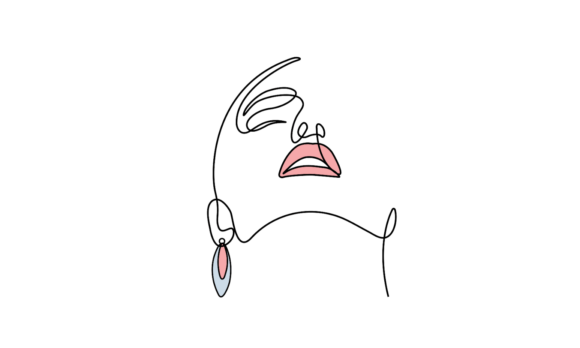
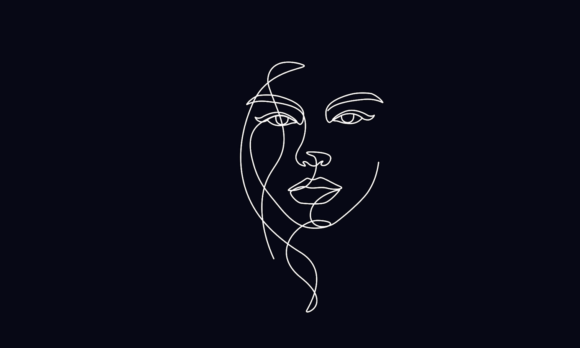
There’s a unique magic in a single, unbroken line. It suggests confidence, speed, and a complete thought captured in one fluid gesture. When this principle is applied to a woman's face and flowing hair, the result is a powerful form of visual storytelling. This is the essence of the animated continuous single-line drawing of a woman's face, a style of Female Model Hairstyle Motion Graphics that is both minimalist and deeply expressive. It’s not about hyper-realistic detail; it’s about capturing the spirit, movement, and personality of a subject with elegant economy.
The Anatomy of a Single-Line Animation
At its core, this style is a digital evolution of classic line drawing, or contour art. Imagine a skilled artist’s pen never leaving the paper, tracing the curve of a cheekbone, the arch of an eyebrow, and then sweeping into the dynamic flow of hair. In the motion graphics version, this line is animated. It draws itself across the screen, revealing the face and hairstyle in a deliberate, mesmerizing sequence. The personality of the piece comes from the quality of that line—its thickness, its speed, and the smoothness of its curves. A thicker, slower line can feel bold and confident, while a finer, quicker line might convey delicacy and sophistication.
The overall appeal lies in this blend of simplicity and dynamism. The continuous line creates a sense of unity and cohesion, while the animation breathes life into the static image. The hairstyle isn't just a shape; it’s an event, a moment of movement frozen in time. This approach strips away unnecessary complexity, focusing the viewer’s attention on form, expression, and the elegant relationship between the face and the hair. It’s a modern typography of motion, where the line itself becomes the primary character.
Where This Style Shines: Real-World Applications
The versatility of Female Model Hairstyle Motion Graphics makes it a valuable asset across numerous fields. Its clean, artistic nature allows it to adapt to various brand identities and project goals without feeling out of place.
- Branding and Logo Design: For beauty brands, salons, fashion labels, or lifestyle blogs, an animated single-line drawing can become a captivating logo mark or animated favicon. It instantly communicates elegance, creativity, and a focus on aesthetic detail. It’s a creative font in visual form, setting a tone of modern sophistication.
- Digital and Social Media: In the fast-scrolling world of social media, motion is king. These animations are perfect for Instagram story highlights, animated post backgrounds, or eye-catching video intros. They grab attention quickly and convey a message of style and professionalism, making them ideal for influencers, marketers, and content creators.
- Web Design and UI/UX: As a loading animation, a hero section background, or a subtle hover effect, this style adds a layer of polish and personality to a website. It can guide the user's eye and make the digital experience feel more human and engaging.
- Editorial and Publishing: Bloggers, magazine editors, and authors can use these graphics as decorative elements for articles, chapter headings, or promotional materials. They add a sophisticated, artistic flair to editorial design without distracting from the written content.
- Packaging and Print: While the animation lives in the digital realm, the static frame of the continuous line drawing is equally powerful. It can be used on packaging design for cosmetics, accessories, or stationery, and in print materials like business cards, flyers, and posters, serving as a unique and memorable illustration.
Choosing and Implementing This Visual Asset
Integrating Female Model Hairstyle Motion Graphics into your work requires a thoughtful approach, much like selecting the right typeface for a project. Here’s how to think about it practically.
Evaluate the Project Fit: First, consider your project's personality. Is it modern, luxurious, minimalist, or energetic? The single-line style generally leans toward modern and elegant. Review the animation’s speed and the line’s weight. A fast-paced tech startup might prefer a quicker, thinner line, while a high-end skincare brand might opt for a slower, more deliberate animation with a bolder stroke. It’s about ensuring the visual asset aligns with your brand identity.
Consider the Context and Pairings: Just as you would test a font pairing, see how the animation interacts with your other design elements. Does it complement your chosen sans serif font or serif font? Does it clash with your color palette? The beauty of this style is its neutrality—it often works well with a wide range of typography and colors. However, always test it in context. Place it next to your primary headlines, your body copy, and your logo to ensure visual harmony.
Focus on Readability and Hierarchy: The animation should enhance, not overwhelm. If it’s used as a background, ensure it has low enough opacity or is desaturated enough that text placed over it remains perfectly legible. In web design or social media graphics, the motion should guide the viewer toward the most important information, not compete with it. The goal is to create a clear visual hierarchy where the art supports the message.
Understand the Licensing: If you are using a pre-made premium font or motion graphic asset, always check the license. Most commercial font and asset licenses are clear about permitted uses—whether for a single project, multiple clients, or unlimited commercial work. Respecting these terms is crucial for professional and ethical practice. Many designers and marketplaces offer high-quality design assets with clear licensing for businesses of all sizes.
Ultimately, the animated continuous single-line drawing of a woman's face is more than a fleeting trend. It’s a testament to the power of simplicity and motion in visual communication. By understanding its characteristics and applying it thoughtfully, designers, entrepreneurs, and creators can leverage this elegant style to build more engaging, memorable, and professional brands and projects. It’s a tool that, when used with intention, can beautifully articulate a story of style, movement, and grace.