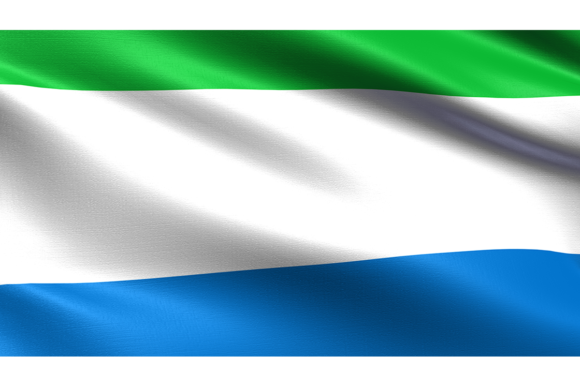
Sierra Leone Flag Waving Fabric Texture: A Realistic Design Asset
When you need a national symbol that feels immediate, authentic, and full of life, a static clipart image often falls short. You need the element of movement. This is where the Sierra Leone Flag Waving Fabric Texture becomes an indispensable tool in your creative arsenal. This isn't just a flat graphic; it is a high-definition, 3840×2160px capture of realistic fabric in motion. The image presents the distinctive green, white, and blue stripes of Sierra Leone’s banner not as a digital construct, but as a physical object caught in a breeze. It conveys a sense of patriotism, energy, and tangible quality that static images simply cannot replicate.
The visual appeal of this asset lies in its highly detailed fabric texture. If you look closely at the file, you won't just see colors; you will see the weave of the cloth, the subtle interplay of light and shadow across the folds, and the natural weight of the material. The green represents the agricultural richness of the land, the white stands for unity and justice, and the blue symbolizes the natural harbor of Freetown. By adding a realistic waving effect, this image transforms these colors into a story. It suggests wind, movement, and forward momentum. For a designer or content creator, this level of realism is crucial for establishing trust. A pixelated or flat flag looks cheap; a waving, textured flag looks like a premium design asset.
Practical Applications: From Digital Screens to Print Media
The versatility of the Sierra Leone Flag Waving Fabric Texture allows it to bridge the gap between digital and physical mediums effortlessly. Because the resolution is set at 4K (3840×2160px), you have the flexibility to use this image in ways that lower-resolution files cannot support.
For web design and social media graphics, this image serves as a powerful focal point. Imagine using it as a banner for a national holiday announcement on Facebook or LinkedIn. It immediately grabs attention in a crowded feed. For motion graphics, the natural texture allows for subtle parallax effects or looping animations that look organic rather than computer-generated. If you are creating a video intro for a channel focusing on Sierra Leonean culture, news, or travel, this flag provides an immediate visual anchor.
However, the utility extends far beyond the screen. In print design, such as event programs, tourism brochures, or political campaign materials, the high resolution ensures that the fabric texture remains crisp even on large format prints. It is perfect for packaging design for products exported from Sierra Leone, adding a layer of authenticity and origin to the brand identity. Even for personal projects—like a custom phone case, a t-shirt graphic, or a scrapbook page—the realistic texture adds a tactile quality that elevates the final product. It functions much like a premium font in typography; it signals that you care about the details.
Enhancing Visual Hierarchy and Brand Perception
In the world of brand identity and editorial design, every asset you choose tells your audience something about your values. Using a generic, flat vector flag might get the job done, but using the Sierra Leone Flag Waving Fabric Texture tells a story of quality and realism. Just as a designer carefully selects a serif font for tradition or a sans serif font for modernity, choosing a textured, realistic image sets a specific tone.
This asset influences the viewer's perception by adding depth. In a presentation or a website layout, depth creates hierarchy. By placing this waving flag in the background, you create a dynamic stage for your foreground content—whether that is a logo design, a headline set in a bold display font, or a call-to-action button. The movement of the fabric draws the eye, helping to guide the viewer through your layout. It prevents the background from feeling sterile or "corporate" in a negative way, replacing that feeling with something human and organic. For businesses or organizations with ties to Sierra Leone, using this specific texture demonstrates a deep respect for the culture, moving beyond symbolism to a representation of the country's vibrant spirit.
Integrating the Asset: Technical and Creative Guidance
Successfully integrating the Sierra Leone Flag Waving Fabric Texture into your work requires a bit of strategic thinking, much like selecting the right font pairing. You need to ensure that the visual weight of the flag complements your typography and other design elements.
- Color Harmony: The flag consists of strong, primary-adjacent colors. When pairing this with text, ensure high contrast. White or light grey text works well over the darker blue and green sections, while dark text or a drop shadow may be necessary for the white stripe to maintain readability.
- Typography Choices: Because the flag is rich in texture, avoid using overly ornate script fonts or handwritten fonts directly on top of the folds, as this can reduce legibility. Instead, opt for clean, bold modern typography or a sturdy geometric sans serif font that can stand up to the visual complexity of the background.
- Blending Modes: If you are working in Photoshop or similar software, experiment with blending modes. Multiplying or overlaying the texture over a solid color can create unique, cohesive backgrounds for social media graphics or posters.
- Licensing and Usage: Always verify the licensing of the asset. Since this is a high-quality image, it is likely intended for use in commercial and personal projects, but checking the terms ensures you are legally covered for print runs, merchandise, and digital distribution.
Final Thoughts on Realistic Design Assets
In an era where digital content is often mass-produced and generic, investing in high-quality, realistic assets is a differentiator. The Sierra Leone Flag Waving Fabric Texture is more than just a picture of a flag; it is a piece of visual storytelling. It captures the essence of the nation through the medium of fabric and wind. Whether you are a marketer building a campaign, a publisher laying out a book, or a hobbyist creating a tribute, this image provides the realism and resolution needed to make your work look professional and authentic. By treating your imagery with the same care you treat your typography, you create a cohesive, engaging experience for your audience.