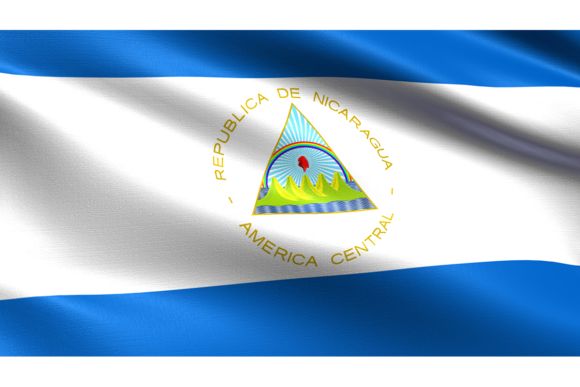
Authentic Texture: The Nicaragua Flag in Motion
When you need to convey a sense of national pride or cultural context in your design work, a flat, static image often falls short. There is a distinct difference between a generic icon and a piece of art that feels tangible. This is where the power of a realistic, high-resolution asset comes into play. The Nicaragua Flag with a waving fabric texture is not just a representation of national colors; it is a study in texture, light, and movement. For designers, marketers, and content creators, having access to a resource that captures the specific weave of the cloth and the natural undulations of a flag blowing in the wind is invaluable.
Unlike standard vector graphics which can sometimes feel sterile, this specific asset focuses on the physicality of the object. It features a highly detailed fabric texture that mimics the weight and behavior of real textile. When integrated into a presentation or a social media campaign, this level of realism grounds the design in reality. It suggests authenticity and attention to detail. Whether you are working on a historical documentary, a travel blog, or a corporate presentation involving international relations, the visual quality of the asset sets the tone. The resolution is the first thing you will notice; at 3840×2160px, it offers a crispness that holds up even on large format displays.
The Anatomy of Realism: Texture and Light
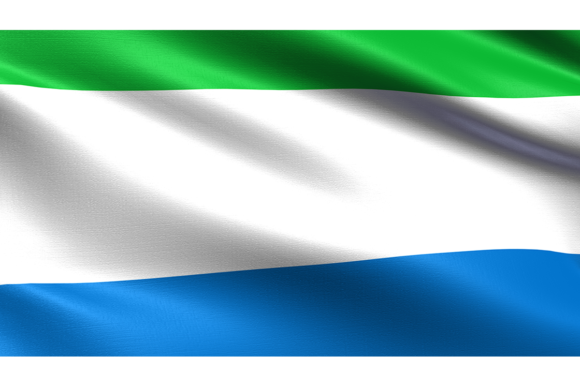
What makes this particular asset stand out in a crowded market of stock imagery? It comes down to the interplay between the fabric’s texture and the lighting. A standard flag image might show the blue and white stripes, but it misses the micro-details. This high-fidelity version captures the grain of the weave. You can see how the light catches the high points of the fabric and how shadows settle into the folds. This creates a three-dimensional effect that is crucial for modern design assets.
The "personality" of this image is one of dynamic movement. It is not a stiff, hanging flag; it is a beautiful flag blowing in the wind. This implies energy, life, and a sense of being present in the moment. For a designer, this movement adds a focal point to the composition. The eye is naturally drawn to the folds and the direction of the wind, allowing you to use the flag to guide the viewer's attention toward other elements in your layout, such as a headline or a call-to-action button.
Furthermore, the color fidelity is impeccable. The Cerulean blue and white of the Nicaragua flag are rendered with true-to-life saturation, avoiding the oversaturation often seen in lower-quality prints. The Coat of Arms, centered in the white band, maintains its intricate details even when the fabric curves. This ensures that the symbol remains recognizable and respectful, which is a critical consideration for any project involving national emblems.
Integrating the Asset into Your Workflow
Understanding the technical specifications is one thing; knowing how to apply them is another. This asset is delivered as a high-quality .jpg file, making it universally compatible with virtually every design software, from Adobe Photoshop and Illustrator to Canva and Figma. The 4K resolution provides significant flexibility. You can crop into a specific section of the flag—perhaps focusing on the Coat of Arms or the rippling edge of the fabric—without losing image integrity. This makes it an excellent resource for background textures, headers, and hero images.
For print design, the high resolution ensures that the texture remains sharp even on large posters or banners. In the realm of motion graphics, this image serves as a perfect base layer. While the image itself is static, the natural shading in the folds can be used with parallax effects or subtle warping tools to create the illusion of continuous movement in video editing software like After Effects.
Here are a few practical applications where this asset excels:
- Corporate Presentations: Use the flag as a high-quality background for slides discussing international trade, tourism, or Central American history. It adds a layer of professionalism that plain backgrounds lack.
- Social Media Graphics: When celebrating national holidays or cultural events, a realistic flag image generates more engagement than a flat vector. It feels more "human" and celebratory.
- Web Design: As a background element on a travel agency site or a cultural blog, the texture adds depth. When paired with a semi-transparent overlay, it allows text to remain readable while the texture peeks through.
- Editorial Design: For magazine covers or feature articles, the waving fabric adds a dramatic flair that draws the reader in.
Strategic Design Considerations
Using a highly detailed image like this requires a strategic approach to typography and layout. Because the Nicaragua Flag waving fabric texture is visually complex, it acts as a strong design element. You cannot simply throw text on top of it and expect it to be legible. This is where visual hierarchy becomes essential.
To ensure readability, consider using the flag image as a large background element with reduced opacity, or place a semi-transparent shape (like a dark overlay or a white card) over the portion of the image where your text will sit. This creates a clean "canvas" for your typography while allowing the texture of the flag to frame the content.
When choosing fonts to pair with this image, simplicity is key. A bold sans-serif font works best for headlines, offering a clean contrast to the organic, flowing lines of the fabric. Avoid overly decorative or script fonts, as they can get lost in the visual noise of the flag's folds. The goal is to balance the realism of the image with the clarity of your message.
Color coordination is also vital. Pulling the specific shades of blue or the off-white from the flag to use in your text or UI elements can create a cohesive brand identity. This technique, known as color sampling, ensures that your typography feels like it belongs to the same world as the image, rather than floating arbitrarily on top of it.
Finally, always consider the context of the flag. The Nicaragua flag carries deep historical and cultural significance. Using this asset respectfully is paramount. Ensure that the flag is displayed correctly—blue on top and bottom—and that it is not cropped in a way that distorts the Coat of Arms. By treating this asset with the same care you would a physical flag, you maintain the integrity of your project and show respect for the culture it represents.
In summary, this Nicaragua Flag waving fabric texture is more than just a stock photo; it is a versatile design tool. Its high resolution, realistic texture, and dynamic composition make it a premium choice for anyone looking to add authenticity and visual impact to their creative projects. Whether for digital screens or print media, it delivers a level of detail that elevates the final product.