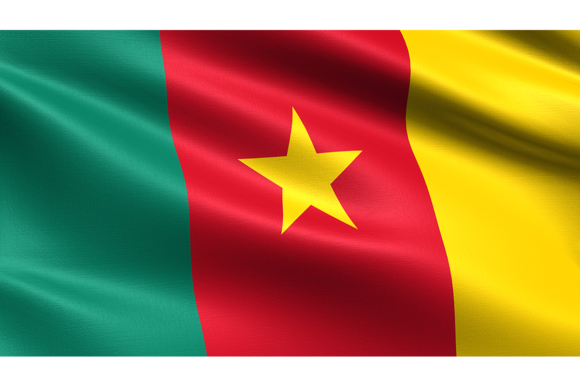
Cameroon Flag: Waving Fabric Texture for Dynamic Design
There is a certain gravity that a physical object holds, a presence that a flat digital image often struggles to replicate. When we look at the Cameroon flag, we see a powerful symbol of unity and heritage, but when we see it as a waving fabric texture, it transforms into something visceral. It is no longer just a static symbol; it becomes a living entity driven by the wind. This specific asset—a realistic flag with highly detailed fabric texture—offers a bridge between digital precision and tangible reality. It captures the crisp snap of the cloth in a breeze, the intricate play of light and shadow across the folds, and the authentic weight of the material. For designers, marketers, and content creators, this is not merely a stock image; it is a foundational piece of visual storytelling that brings energy and movement to any composition.
The Anatomy of Realism: Why Texture Matters
In the realm of modern typography and graphic design, we often obsess over the perfect typeface, debating the merits of a serif font versus a sans serif font. However, the background imagery serves as the stage upon which your typography performs. A flat, low-resolution background can undermine even the most premium display font. The appeal of this Cameroon flag asset lies in its "handmade" quality within a digital space. The resolution is a massive 3840×2160px, ensuring that every thread of the fabric is visible. This level of detail is crucial for print document production, where pixelation can destroy a design's credibility. The green, red, and yellow stripes of the Cameroon flag are rendered with rich saturation, but the texture adds the necessary depth to prevent the image from looking like a simple vector drawing. It feels tactile. You can almost hear the rustling of the fabric, which creates an immediate sensory connection with the viewer.
Personality and Visual Style
The "personality" of this image is one of pride, motion, and authenticity. It is a beautiful flag blowing in the wind, which suggests progress and forward momentum. The style is photorealistic, avoiding the glossy, plastic look that plagues many 3D renders. Instead, it embraces the natural creases and ripples of cloth. This makes it an incredibly versatile design asset. Whether you are working on a brand identity for a company with ties to Cameroon or creating educational content, the image conveys a sense of respect for the subject matter. It serves as a fantastic example of how a creative font or image can possess a distinct voice. Just as a script font implies elegance, this waving flag implies vitality and national spirit.
Integrating the Asset Across Your Projects
One of the greatest challenges for designers and small business owners is finding assets that work seamlessly across multiple platforms. This is where the "waving fabric texture" truly shines. Because the image is high-resolution and features a dynamic composition, it can be cropped and adapted without losing its impact.
Digital Presence: Web and Social Media
For web design, this image serves as a powerful hero background. If you are building a landing page for a cultural event, a travel blog, or a non-profit organization, the waving flag immediately establishes context. However, to ensure your text remains legible, you need to consider contrast. If you are overlaying a bold sans serif font, you may need to apply a subtle dark gradient over the flag to ensure the white text pops. This is a common technique in editorial design and web layouts to maintain readability.
On social media, attention spans are short. A static, flat color might be ignored, but a beautiful flag blowing in the wind stops the scroll. It is perfect for Instagram stories, Facebook cover photos, or LinkedIn banners celebrating national holidays or cultural milestones. The texture adds a layer of professionalism that generic clip-art cannot match. It signals to your audience that you care about quality, which is a subtle but powerful element of brand identity.
Print and Commercial Applications
When moving to physical products, the 3840×2160px resolution is your best friend. In packaging design, texture is everything. Consumers interact with packaging physically; they touch it. While the digital file cannot be touched, the visual representation of texture creates an expectation of quality. Using this fabric texture on a brochure, flyer, or menu can add a tactile feel to the paper.
Furthermore, for motion graphics, this asset is invaluable. Animators can use the static image to create looping video backgrounds for presentations or video intros. The fabric texture provides enough detail to allow for subtle parallax effects or slow zoom-ins (the "Ken Burns effect") without the image falling apart. It transforms a standard PowerPoint slide into a cinematic experience.
Design Strategy: Pairing and Integration
A great image is only as good as the text that accompanies it. Choosing the right font pairing is essential when working with such a textured background. Because the Cameroon flag has strong vertical lines and distinct color blocks, you should avoid using overly busy handwritten fonts or complex script fonts as your main header. They will get lost in the folds of the fabric.
Instead, opt for a clean, geometric sans serif font for headlines. Fonts like Helvetica, Futura, or modern grotesques provide a sharp, digital counterpoint to the organic, analog texture of the waving cloth. This contrast creates a visual hierarchy that is easy for the eye to navigate. For body text, a highly legible serif font can work well if the background is blurred or masked, but generally, keeping the text in the negative space of the image (where the fabric is less folded) is the best practice.
Evaluating Project Fit and Licensing
Before integrating any asset into your workflow, you must evaluate the fit. Does the image support your message? For a corporate financial report, a waving flag might be too casual unless the report specifically deals with international markets or national economics. However, for a social media graphics campaign, it is perfect.
It is also vital to understand the commercial licensing of such assets. Most premium stock sites allow for broad usage, but if you are using the image in a logo design or a trademark, you must ensure the license permits modification and commercial trademarking. The asset provided here is a .jpg, which is a raster format. While perfect for backgrounds and photos, if you need to scale the flag infinitely (like for a massive billboard), you might eventually hit resolution limits. However, for standard print documents and digital screens, 3840x2160 is more than sufficient.
Practical Recommendations for Content Creators
For the marketer or entrepreneur, this image is a tool for connection. It connects your content to a specific geography and culture. When using it, consider the following practical tips:
- Crop with Intent: Don't just center the flag. Use the "Rule of Thirds." Place the flag on the left or right third of your canvas to leave open space for your premium font text on the opposite side.
- Color Sampling: Use the Eyedropper tool in your design software to sample colors directly from the flag (the specific shades of Green, Red, and Yellow). Use these sampled colors for your text or buttons to create a cohesive, harmonious brand identity.
- Grayscale Conversion: If the vibrant colors clash with your existing brand palette, try converting the image to a high-contrast grayscale or a duotone. The waving fabric texture will still look stunning, but it will recede into the background, allowing your brand colors to take center stage.
Ultimately, the Cameroon Flag Waving Fabric Texture is more than just a picture of a flag. It is a piece of modern typography