Swaziland Flag Waving Fabric Texture: A Designer's Asset
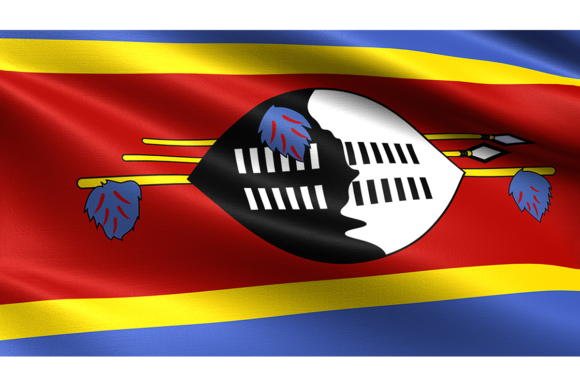
There is a profound difference between a flat, static image of a national emblem and one that feels alive with motion. When you look at the Swaziland Flag, Waving Fabric Texture, you aren't just seeing a rectangle of red, blue, and yellow; you are witnessing a piece of history caught in a breeze. This specific high-resolution asset captures the intricate weave of the cloth, the way light dances on the creases, and the subtle shadows created by the wind. For designers, marketers, and content creators, this isn't just another stock image—it is a gateway to adding depth, patriotism, and realism to your projects. The texture tells a story of heritage and pride, making it an invaluable tool for anyone looking to connect with the culture of Eswatini.
The Power of Realism in Modern Design
In the current landscape of modern typography and digital media, authenticity is the currency that buys audience trust. We have moved past the era where a flat, vector-only approach suffices for every context. While vector graphics remain essential for scalability, the human eye craves texture. The Swaziland Flag, Waving Fabric Texture offers a tactile quality that engages the viewer on a sensory level. It mimics the physical world, bridging the gap between digital screens and real-life experience.
Think about the visual hierarchy in your designs. When you place a flat color block next to a realistic, waving fabric, the fabric immediately draws the eye. It creates a focal point that anchors the rest of your layout. This asset is rendered at a massive 3840x2160px resolution, which means the details are uncompromising. You can zoom in on the individual threads of the flag or zoom out to use it as a full-screen background without losing clarity. This level of detail is crucial for maintaining professionalism, especially when your work is displayed on high-definition Retina screens or printed on large-format media.
Practical Applications for Creatives and Brands
The versatility of a high-quality design asset lies in its adaptability. The Swaziland Flag, Waving Fabric Texture is not limited to one specific niche; it serves as a bridge across various creative disciplines. Whether you are a graphic designer working on a corporate presentation or a content creator building a social media campaign, this image fits seamlessly into your workflow.
Corporate and Editorial Use
For businesses and organizations with ties to Eswatini, brand identity is paramount. Using this texture in editorial design or web design can instantly communicate legitimacy and respect for the region. Imagine a slide deck for an international trade meeting; placing this realistic flag in the corner or as a subtle watermark adds a layer of seriousness that a generic clipart cannot match. It signals to your audience that you value quality and cultural accuracy.
Digital Marketing and Social Media
On platforms like Instagram, Facebook, or LinkedIn, stopping the scroll is the primary objective. A dynamic, waving flag creates a sense of movement even in a static image. It can be used as a background for text overlays in social media graphics. The texture provides enough visual interest to make the post stand out, but it is organic enough not to clash with bold typography or sans serif fonts. It is particularly effective for announcements regarding national holidays, cultural events, or international solidarity campaigns.
Print and Packaging
When it comes to print design, resolution is king. The 4K quality of this asset ensures that the fabric texture remains crisp on flyers, brochures, and posters. If you are involved in packaging design for products exported from or inspired by Eswatini, incorporating this texture can elevate the product's perceived value. It transforms a simple label into a premium experience, suggesting that the contents are authentic and carefully curated.
Integrating Texture with Typography
A common challenge in design is ensuring that text remains readable when placed over a complex background. The Swaziland Flag features a mix of dark blues, vibrant reds, and bright yellows, which can pose a contrast challenge. Here is where your skills as a designer come into play.
To ensure readability, consider using a semi-transparent overlay or a text box with a subtle drop shadow. This allows the waving fabric texture to show through while providing a solid base for your text. When pairing fonts with this image, lean towards typefaces that offer high legibility.
- Sans Serif Fonts: A clean, geometric sans serif font works best for body text or headlines when you want a modern, uncluttered look against the organic chaos of the fabric.
- Serif Fonts: If you are aiming for a more traditional or formal tone, a classic serif font can complement the historical significance of the flag.
- Script and Handwritten Fonts: Use these sparingly for accents. A script font can add a touch of elegance, but ensure it is bold enough to stand out against the folds of the flag.
Remember, the goal of font pairing is balance. If the background is busy and dynamic, your typography should be structured and calm. This contrast creates a harmonious visual hierarchy that guides the viewer's eye from the imagery to the message.
Technical Specifications and Workflow
Efficiency is key for busy professionals. The file is delivered in a universally compatible .jpg format, ensuring it can be imported into virtually any software, from Adobe Photoshop and Illustrator to Microsoft PowerPoint and Canva. The 3840x2160px resolution offers a 16:9 aspect ratio, which is the standard for modern presentations and video content. This eliminates the need for awkward cropping or stretching, saving you time in the editing process.
For those working in motion graphics, this texture serves as an excellent base layer. While a static image cannot move on its own, the natural folds and lighting in the image provide a realistic map for 3D displacement effects. You can animate this flag to ripple and wave in After Effects, using the texture to catch light and shadow realistically. This transforms a static asset into a dynamic video element, perfect for intros, lower thirds, or background loops.
Choosing the Right Asset for Your Project
When evaluating design assets, it is easy to get lost in a sea of options. However, the decision often comes down to authenticity and quality. Does the image look "photoshopped," or does it look like a photograph? The Swaziland Flag, Waving Fabric Texture succeeds because it respects the physics of light and fabric. The shadows are deep where the folds are sharp, and the highlights are bright where the fabric stretches taut.
As a creator, you should always consider the emotional weight of your visuals. A flag is not just a piece of cloth; it is a symbol. By using a realistic representation, you honor that symbol. This attention to detail reflects positively on your brand or project, signaling that you care about the nuances.
Ultimately, whether you are designing a website header, a printed report, or a social media post, the tools you choose define the outcome. Integrating the Swaziland Flag, Waving Fabric Texture into your library gives you a powerful tool for storytelling. It allows you to communicate pride, culture, and professionalism with a single, high-impact image. It is a small addition to your workflow, but it makes a significant difference in the quality of your final output.