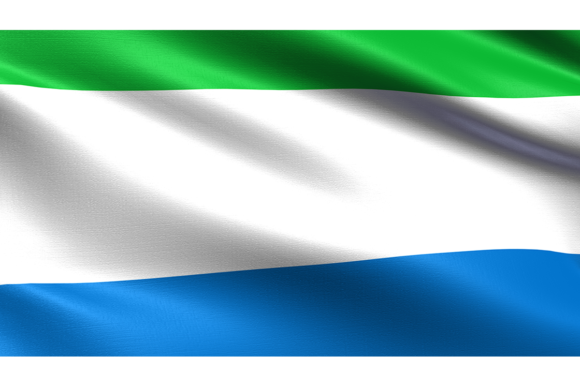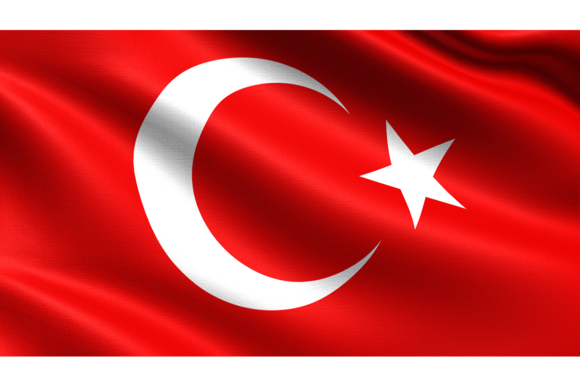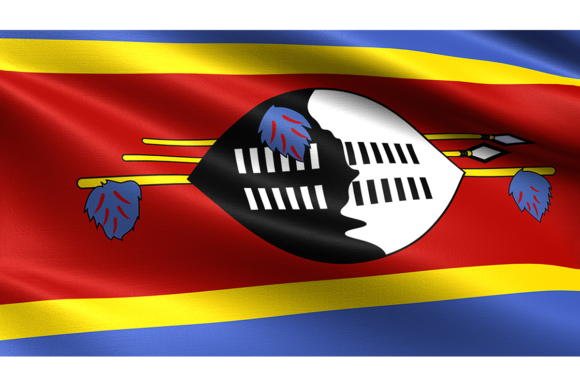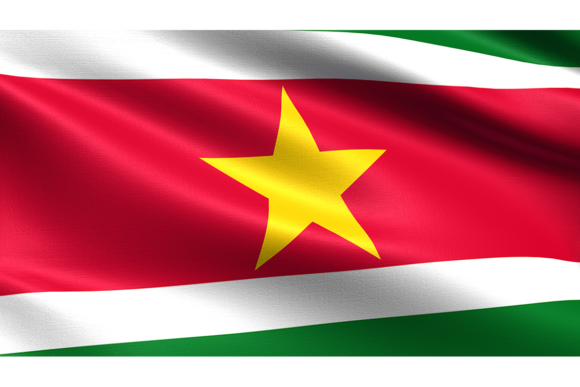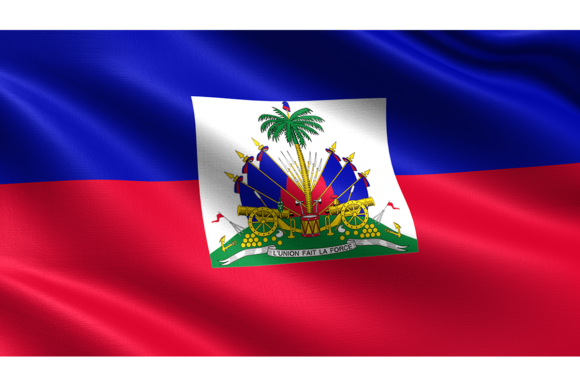
The Power of the Haiti Flag: Waving Fabric Texture
There is a distinct energy that comes from a flag caught in a strong breeze. It is more than just a symbol; it is a living, moving testament to identity and history. The Haiti Flag: Waving Fabric Texture captures this kinetic energy perfectly. We are not looking at a flat, static graphic here. Instead, this asset presents a highly detailed, realistic representation of the Haitian national flag with deep folds, dramatic shadows, and the natural movement of heavy fabric in the wind. For designers, marketers, and content creators, this is a critical distinction. A flat image feels like a clipart icon, while a textured, waving flag feels like a photograph taken in the field. It brings an immediate sense of realism and drama to any project.
The visual personality of this asset is bold, authentic, and professional. The resolution is set at a massive 3840×2160px, which is native 4K resolution. This means the weave of the fabric is visible, the creases look tactile, and the colors of the Haitian flag—often rich blues and reds with a distinct coat of arms—maintain their integrity even when cropped or zoomed. Unlike many standard design assets that pixelate upon close inspection, this premium texture is built for high-end output. Whether you are working on a motion graphics project where the flag needs to ripple, or a high-resolution print document that demands crisp edges, the fabric texture provides the depth necessary to fool the eye.
Integrating Texture into Modern Brand Identity
In the world of branding, texture is often the unsung hero. We spend hours debating between a serif font and a sans serif font for our headlines, yet we often overlook the background elements that frame our message. Using the Haiti Flag: Waving Fabric Texture is about more than just showing patriotism; it is about associating your brand with authenticity and strength. For entrepreneurs and small business owners, particularly those in the Caribbean diaspora or those offering travel and cultural services, this image serves as a powerful anchor for your brand identity.
Consider how this texture interacts with typography. If you overlay a clean, modern sans serif font on top of the waving fabric, the contrast between the rigid geometry of the text and the organic curves of the flag creates a striking visual hierarchy. The text pops because the background is dynamic but not chaotic. Conversely, pairing the flag with a script font or a handwritten font can evoke a sense of personal history or storytelling, perfect for a blog header or a heritage project. The flag does not compete with your typography; it grounds it. It provides a realistic context that flat color blocks simply cannot achieve.
Practical Applications for Digital and Print
The versatility of a high-resolution JPG like this cannot be overstated. Because the background is designed to be integrated easily, it fits seamlessly into a variety of mediums. For digital creators, the Haiti Flag: Waving Fabric Texture is an excellent choice for social media graphics. On platforms like Instagram or LinkedIn, where users scroll quickly, a textured background grabs attention faster than a solid color. It adds a layer of professionalism to event announcements, national holiday tributes, or cultural appreciation posts.
For those involved in editorial design or web design, the image works beautifully as a hero banner. The 16:9 aspect ratio (3840×2160px) is standard for widescreen monitors and presentation software. If you are building a landing page for a cultural festival or a non-profit organization supporting Haiti, using this as a background image sets the tone immediately. It tells the visitor exactly where they are and what the site is about before they read a single word. Furthermore, for packaging design, particularly for products imported from Haiti or goods celebrating Haitian culture, incorporating this fabric texture can add a tactile, artisanal feel to the label, suggesting that the product inside is genuine and crafted with care.
Evaluating Fit and Visual Hierarchy
When deciding to use the Haiti Flag: Waving Fabric Texture, you need to evaluate the mood of your project. This asset conveys movement, passion, and resilience. It is ideal for projects that need an emotional hook. If you are designing a poster for a political cause, a flyer for a soccer match, or a background for a keynote speech, the waving motion suggests action and forward momentum. It is less suited for minimalist designs that require absolute stillness, but even then, it can be used as a subtle background element with reduced opacity to add depth without distraction.
Testing how this image pairs with different design assets is a smart move. Try placing it behind a semi-transparent white overlay to soften the red and blue, allowing your dark text to stand out. This technique is common in modern web design to ensure readability while maintaining visual interest. The "waving" aspect of the texture is particularly useful for creating a sense of 3D space. In a flat layout, everything is on the same plane, but a textured flag suggests that the flag is in the background and your content is in the foreground, creating a natural depth of field.
Technical Considerations for Creators
As a creative font or asset user, you know that file format matters. The JPG format is universally compatible, making this image easy to drop into Adobe Photoshop, Illustrator, Canva, or PowerPoint. While JPGs are "lossy," the high resolution ensures that compression artifacts are virtually invisible to the naked eye at standard viewing distances. However, if you plan to do heavy color grading or compositing, be mindful of the fabric's shadows. The realism of the texture comes from these shadows, so try not to wash them out with heavy filters. Instead, use blend modes like "Multiply" or "Overlay" to make your text interact with the folds of the fabric, making it look like the text is printed on the flag itself.
Ultimately, the Haiti Flag: Waving Fabric Texture is a versatile tool in the modern creator's arsenal. It bridges the gap between generic stock imagery and bespoke photography. It allows marketers to create campaigns that feel grounded in reality, and it helps designers